

The BAIC Ignition Coil K01165021 is an essential component in gasoline engines, responsible for transforming the 12V battery voltage into the high-voltage spark necessary to ignite the air-fuel mixture in the cylinders. Its reliable operation ensures smooth combustion, optimal engine performance, and reduced emissions.
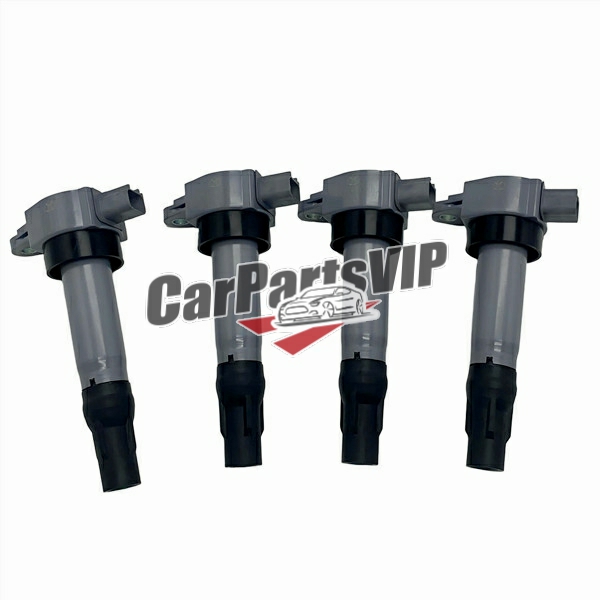
Technical Principles
- Voltage Transformation – Converts low-voltage input into tens of thousands of volts for spark ignition.
- Copper Windings – High-conductivity primary and secondary coils ensure efficient energy transfer.
- Heat-Resistant Insulation – Maintains electrical integrity under high engine temperatures.
- Secure Connectors – Accurate spark timing depends on proper mounting and stable electrical connections.
These technical characteristics are common across most ignition coils, providing a reference framework for understanding coil function in other applications.
Common Fault Symptoms
A malfunctioning K01165021 ignition coil may present the following issues:
- Engine misfires or rough idling
- Reduced power during acceleration
- Increased fuel consumption
- Illumination of the check engine light
Timely diagnosis is critical to prevent damage to spark plugs and other ignition components.
Diagnostic and Maintenance Guidelines
- Visual Inspection – Check for cracks, burns, or contamination on the coil body.
- Electrical Testing – Measure primary and secondary resistance using a multimeter; compare with OEM specifications.
- On-Vehicle Testing – Use a diagnostic scanner to identify misfire codes or other coil-related faults.
- Maintenance Practices – Inspect coils regularly, replace spark plugs concurrently, keep connectors and wiring clean, and ensure heat-resistant insulation is intact.
Proper understanding and maintenance of the BAIC K01165021 coil ensures long-term reliability and consistent engine performance.